The iconic Circuit Gilles Villeneuve remains one of Formula 1’s most unpredictable and technically demanding circuits, forcing drivers, engineers, and strategists into a constant balancing act between aggression and survival.
Ahead of the 2026 Canadian Grand Prix, teams are preparing for one of the most risk-heavy weekends on the calendar, where narrow walls, heavy braking zones, changing weather, and new-era F1 regulations combine to create chaos.
Why Montreal Is One of F1’s Biggest Challenges
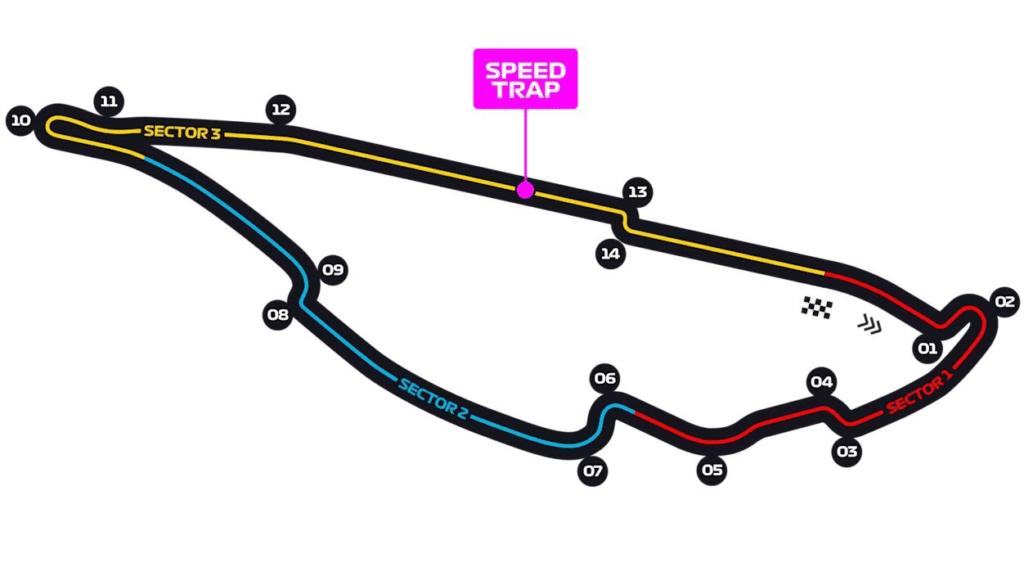
The Circuit Gilles Villeneuve is famous for its stop-start nature, long straights, brutal braking zones, and unforgiving concrete barriers.
Drivers face intense pressure throughout the lap, particularly at:
- Turn 10 hairpin
- Final chicane
- The legendary “Wall of Champions”
A single mistake can instantly end a race weekend.
The 2026 cars add another layer of complexity because teams must now carefully manage energy deployment, battery regeneration, tyre temperatures, and aerodynamic efficiency simultaneously.
Engineers Face a Difficult Setup Gamble
According to Formula 1’s technical analysis, Montreal forces teams into difficult compromises between speed and reliability.
Cars require:
- Low drag for long straights
- Stable braking performance
- Strong kerb handling
- Efficient tyre warm-up
Engineers must also decide how stiff or soft to run suspension settings on the bumpy circuit surface. Too stiff, and the car becomes unstable over kerbs. Too soft, and aerodynamic performance suffers.
Brake cooling is another major concern.
Teams need enough cooling to survive repeated heavy braking, but excessive cooling increases drag and reduces straight-line speed. Montreal consistently produces some of the hottest brake temperatures of the season.
Sprint Weekend Increases the Pressure
The 2026 Canadian Grand Prix will feature the Sprint format, meaning teams only receive one practice session before Sprint Qualifying begins.
That dramatically increases risk for strategists and engineers, who normally rely on multiple practice sessions to collect tyre and setup data.
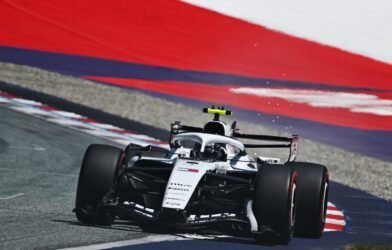
Williams Chief Trackside Engineer Paul Williams described Montreal as a circuit where “power and efficiency are paramount,” especially with the new 2026 regulations.
Strategy Could Decide the Race
Montreal is notorious for safety cars and unpredictable strategy swings.
The pit lane is relatively long, and mistimed pit stops can destroy a driver’s race. Teams must constantly monitor:
- Safety car probability
- Tyre degradation
- Track evolution
- Weather changes
- Traffic positioning
Because overtaking opportunities are high into Turn 1 and the hairpin, undercut and overcut strategies become extremely powerful.
Drivers Must Balance Attack and Survival
For drivers, Montreal rewards confidence but punishes over-aggression.
Kerb usage is especially dangerous under the 2026 regulations, with some technical analyses suggesting floor damage risks have increased due to stiffer car designs and higher electrical torque delivery.
The final chicane remains one of the sport’s most feared corners because drivers must aggressively attack the kerbs while avoiding the Wall of Champions on corner exit.
Legends including Michael Schumacher, Damon Hill, and Jacques Villeneuve have all experienced the circuit’s unforgiving nature in different eras.
Energy Management Becomes a New Battle
One of the biggest talking points in 2026 Formula 1 is energy management.
Drivers are now required to carefully manage battery deployment and regeneration during qualifying laps and races, creating new tactical decisions at power-sensitive circuits like Montreal.
Some drivers and fans have expressed concern that modern F1 increasingly rewards energy management over pure flat-out driving, while others believe the added complexity creates deeper strategic racing.
Why the Canadian GP Remains a Fan Favorite
Despite the risks, the Canadian Grand Prix continues to be one of Formula 1’s most loved events because it consistently delivers:
- Safety cars
- Surprise podiums
- Strategy drama
- Wet-weather unpredictability
- Close wheel-to-wheel battles
The Circuit Gilles Villeneuve remains one of the few tracks where raw bravery, engineering precision, and strategic intelligence all matter equally.